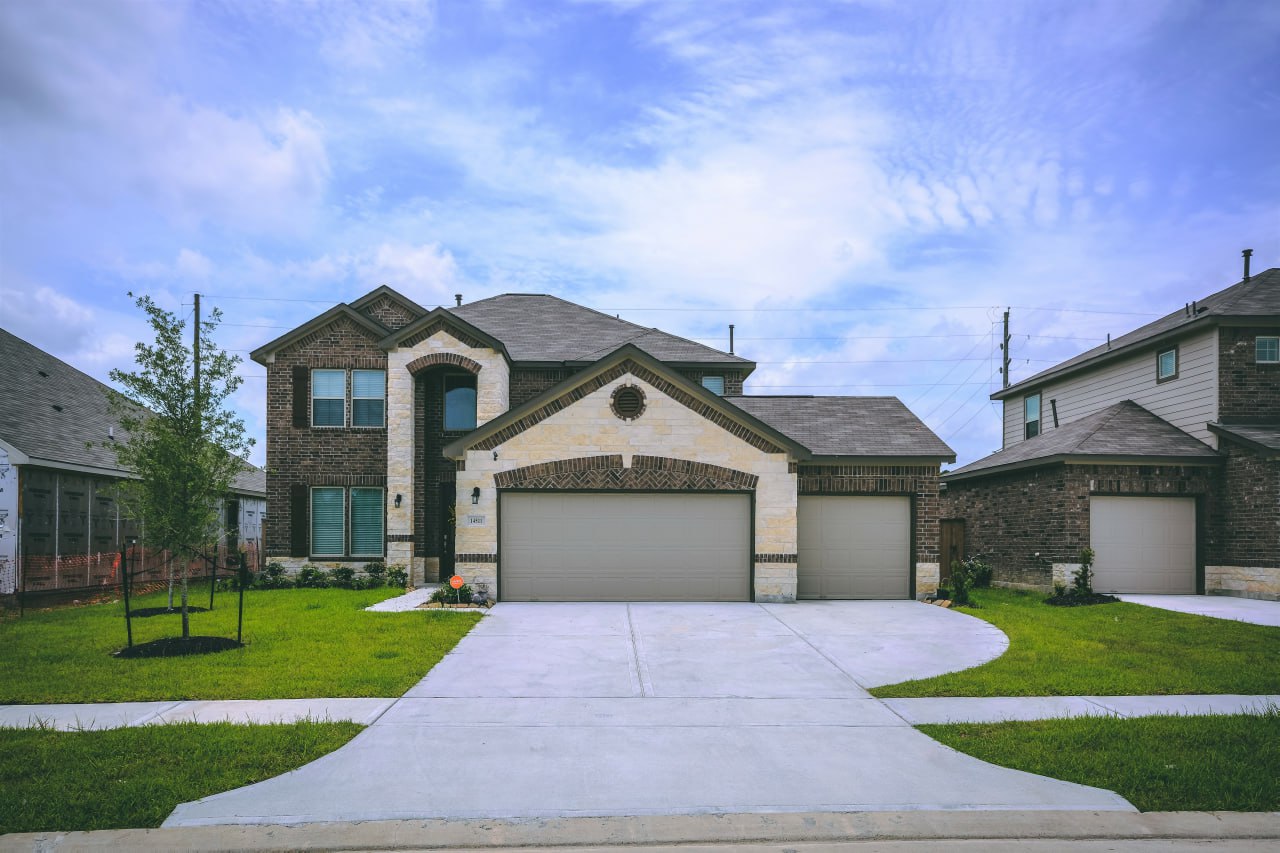
The Role of Concrete in Modern Sustainable Urban Development Jun 13, 2026
Concrete's contribution to energy efficiency is one of its underrated strengths. Its high thermal mass allows it to absorb, store, and release heat, helping to regulate building temperatures. This characteristic can significantly reduce the reliance on heating and cooling systems, thereby cutting down on energy consumption. In a time where energy efficiency is more important than ever, Chris Falcone Concrete is dedicated to helping urban developers lower their carbon footprints by using concrete as an energy-saving building material.
Moreover, the durability of concrete makes it a top choice for sustainable construction. Unlike other materials that may require frequent repairs or replacements, concrete structures are known for their longevity and resilience, especially in the face of extreme weather events. This longevity translates into fewer resources being used over time, thereby conserving materials and reducing waste. Chris Falcone Concrete's expertise in crafting durable concrete structures ensures that buildings stand the test of time, contributing to sustainable urban development.
Recyclability is another key aspect where concrete shines. At the end of its lifecycle, concrete can be crushed and repurposed as aggregate for new concrete construction or other uses such as road base and drainage. This reduces the demand for new raw materials and minimizes construction waste. Chris Falcone Concrete champions the use of recycled concrete in projects, reinforcing a circular approach to urban development that aligns with the principles of sustainability.
Beyond these attributes, concrete's versatility also supports sustainable architecture and modern design. From energy-efficient homes to green office buildings, concrete can be molded into an array of shapes and sizes, accommodating various architectural styles and functional requirements. It is not only a practical choice but also an aesthetic one, allowing architects and builders to design spaces that are both beautiful and sustainable.
Furthermore, concrete is a locally sourced material, which can significantly reduce transportation-related emissions. By procuring raw materials from local sources and producing concrete nearby, Chris Falcone Concrete helps minimize the carbon footprint associated with transportation. This practice not only supports local economies but also contributes to a more sustainable supply chain.
In conclusion, concrete is an indispensable material for sustainable urban development, offering numerous environmental benefits that contribute to energy efficiency, durability, recyclability, and local economy support. Chris Falcone Concrete is committed to leading the charge in sustainable construction practices, providing solutions that meet the ever-growing need for environmentally responsible urban growth. By choosing concrete, developers can create urban spaces that are not only robust and enduring but also aligned with the global shift towards sustainability.
By integrating these sustainable practices, cities worldwide can leverage concrete's potential to build a better, more sustainable future. As urban areas continue to expand, the role of concrete in shaping sustainable urban environments will only become more critical, offering a reliable foundation upon which green cities are built.
/filters:no_upscale()/filters:format(webp)/media/b38faf67-af81-43ab-bff9-3325fb327531.png)
/filters:no_upscale()/filters:format(webp)/media/8214fd7d-4d74-4bd9-b6dc-476b726e758a.jpeg)